
Establishing a dedicated development team can be a game-changing decision for any company, as it can significantly enhance its innovative capabilities and efficiency.



Learn about Finanteq’s outstanding approach in mobile software development. Keep up with the tech industry’s best practices.
Establishing a dedicated development team can be a game-changing decision for any company, as it can significantly enhance its innovative capabilities and efficiency.
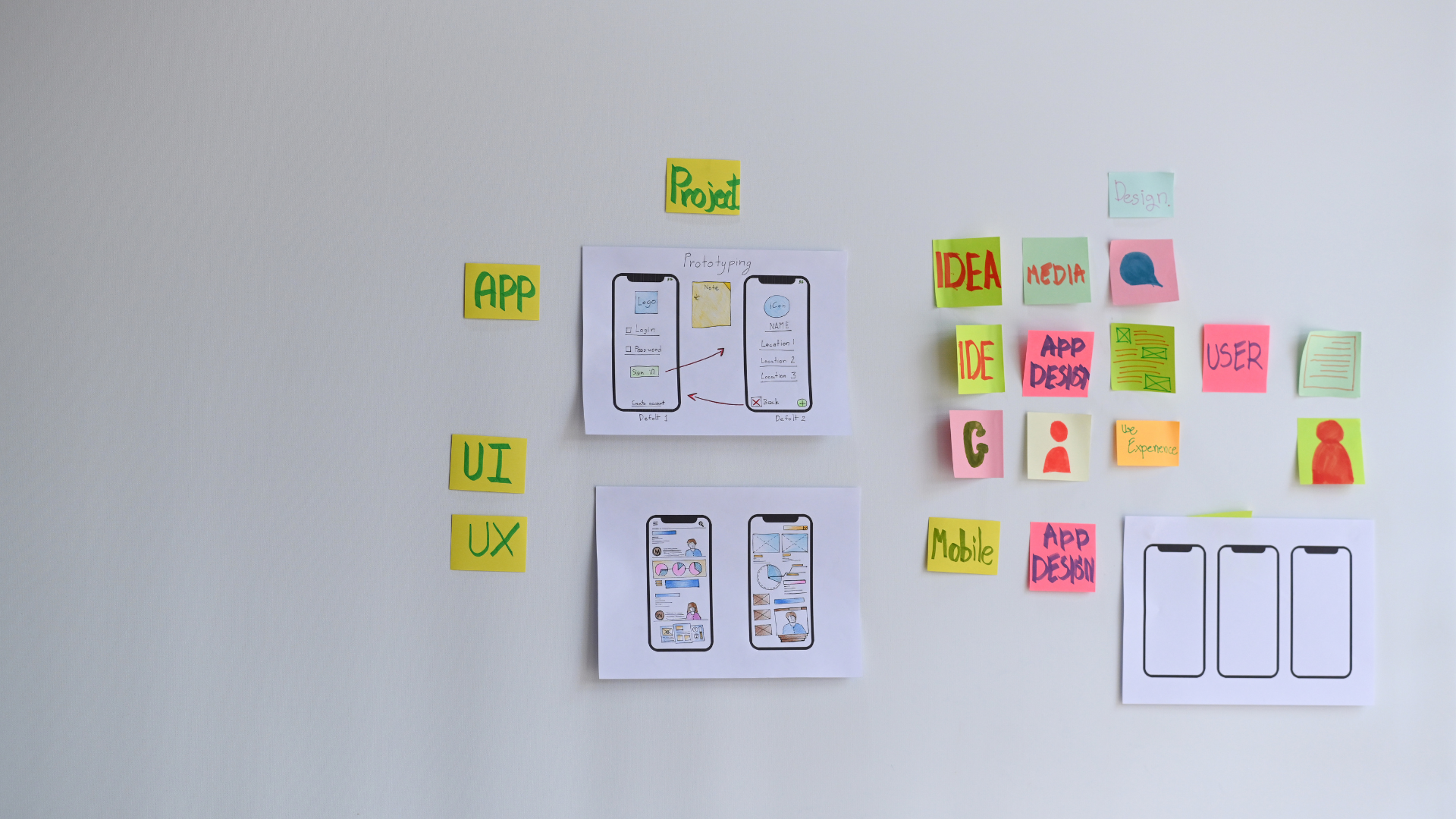
Mobile applications have become an unexpected success, offering unmatched convenience and transforming the way we bank. While users enjoy seamless experiences, app creators face complex challenges. This guide explores mobile banking app development, covering development steps, costs, requirements, and security.


How much does it cost to create a mobile banking application? What should you particularly keep in mind when managing a budget for mobile banking app development? How can you optimize the costs of building a mobile banking application while maintaining the best quality of the app? The answer can be found below.
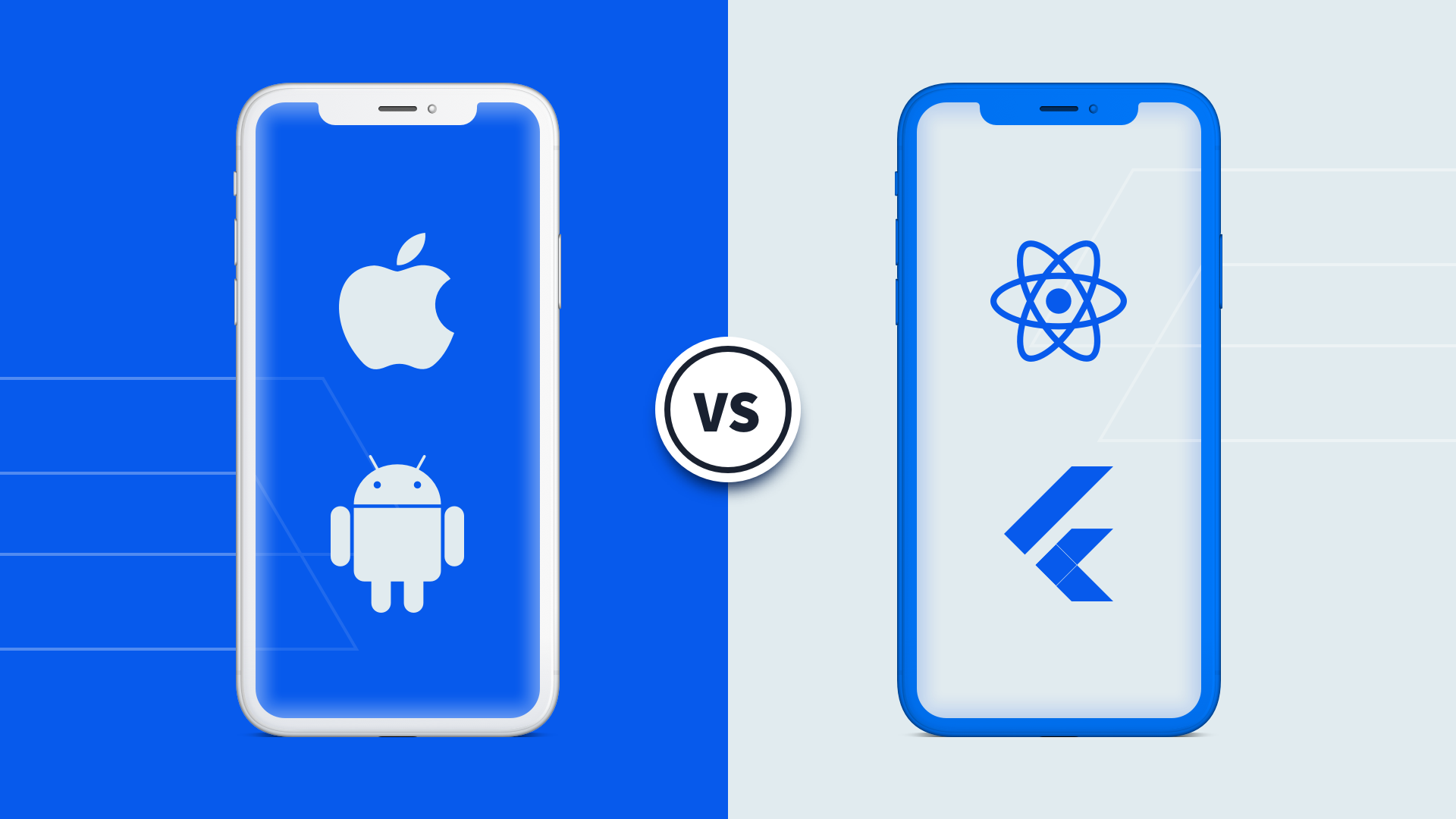
Banks often ask us whether we use cross-platforms for banking applications. The answer is no, and we will explain you why. To make our point, we will discuss the main development approaches.

According to Forrester’s research, low-code development platforms demonstrate a significant speed advantage, being 10 times faster compared to conventional platforms. There is no doubt that low-code/no-code solutions in banking are the future. But how to choose the best solution among the multitude of available options?

Extentum, our no-code platform, is the easiest and fastest way to build new functionalities in EXISTING digital banking apps within hours by business people (non-programmers), and can be applied in many cases and situations.

Only a few years ago, it would have been hard to imagine that mobile application development would be possible without coding. Meanwhile, the market for low-code and no-code platforms is growing dramatically. Is mobile banking app development possible without developers?
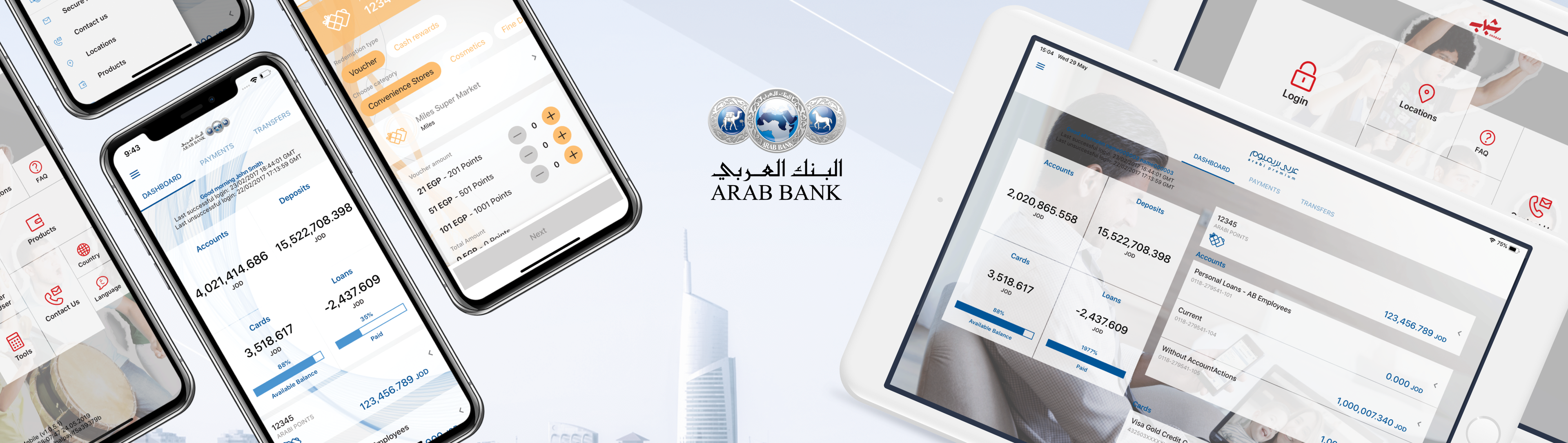
Arab Bank’s new mobile banking application can definitely surprise with its vast scope. The project is adjusted to the needs of four client segments in eight different countries. Take a look at functionalities that the Arabi Mobile includes.


Individual customers of Bank BGŻ Paribas have received a brand new and modern mobile banking. The application features swift and easy access to accounts, deposits, loans and records of expenses. The development and maintenance of the application have been entrusted to FINANTEQ.